
The director investigates her own sexual assault and pursues prosecution, part of the case credited with contributing to Japan’s #MeToo movement.
Black Box Diaries
Shiori ItoDocumentary2024
Films and documentaries centered on social justice, collective action, and real-world impact.
22 films · 1987–2024
The director investigates her own sexual assault and pursues prosecution, part of the case credited with contributing to Japan’s #MeToo movement.

Filmed inside the protest camps where half a million Indian farmers held out against new laws, and won a rare victory over the state.

Traces the numbering once used to track children sent abroad, and finds evidence that adoption documents were fabricated.

Public reaction to the film led South Korea’s National Assembly to pass vocational-training protections nicknamed the Next Sohee Prevention Act.

Recounts the earliest days of the coronavirus in Wuhan and its arrival in the United States, and how two governments told the story.

Centers a 69-year-old survivor whose report of sexual assault is dismissed by police, confronting the ageism and disbelief that deny older women justice.
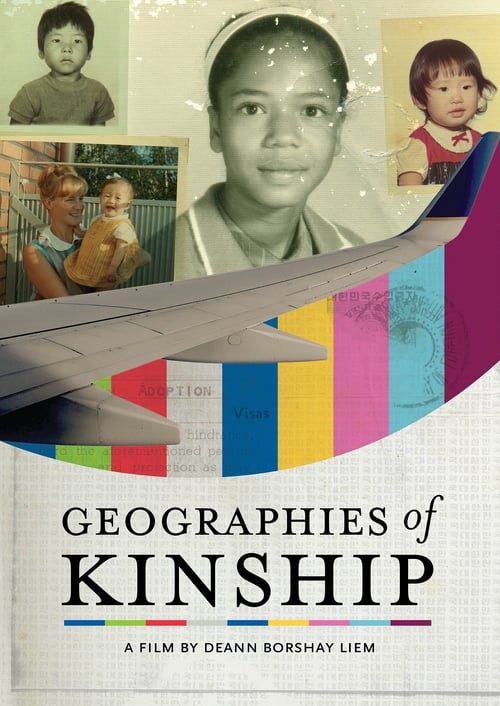
Follows four adoptees back to Korea, part of a body of work that helped support reforms easing the pressure on single mothers there.

Returns to China to interview both the victims and the enforcers of the one-child policy, breaking decades of silence about it.

Stays with five protesters imprisoned over deaths caused by the police raid at the 2009 Yongsan disaster, and what was left of them afterwards.

One of the first Korean documentaries to take on menstruation in full, made as a free-bleeding movement was taking shape in Korea.

Filmed inside the world’s busiest maternity hospital, in one of the poorest and most populous countries.

A policewoman posted to a remote village intervenes in the life of a teenager being abused at home, and the village closes ranks.

Dramatises a real 2007 dispute in which mass-fired contract workers occupied their store for 21 days, and one of few Korean films to centre women’s labour rights.
The first Korean documentary to interview women about their abortions directly, made while the procedure was still criminalised.

Made by one of his close friends, it shaped public memory of Matthew Shepard’s 1998 murder and its part in advancing LGBTQ hate-crime legislation.

Filmed with the Gulabi Gang as they take on gender violence, caste oppression and corruption among the poorest in Bundelkhand.
A case made about the global water crisis, credited with raising public awareness of scarcity and contamination in the United States.

Follows survivors of acid attacks in Pakistan through their fight for justice, and the surgeon who came home to treat them.

Filipino teachers are recruited to fill shortages in Baltimore classrooms, a century after American teachers built the Philippines’ school system.

Filmed with survivors of Japanese wartime sexual slavery at their weekly protest, the first of a trilogy and the first Korean documentary given a major theatrical release.

A first feature reporting on sex tourism in Jeju as a transnational system, which sent its director toward the testimony trilogy that followed.

Documents the 1982 killing of Vincent Chin and the lenient sentencing that followed, and is credited with helping build the modern Asian American civil rights movement.